Media Log

* Notice- this article is written by non native English speaker


Today I will show you one of the most beautiful waterfalls in Jeju island named 'Chenjiyeon waterfall'. Actually there are four waterfalls in Seokwipo city. When you see a geological shape of Jeju island the southern part is tilted which means there are lots of cliffs on the south. That's why you have to go to southern part of this island in order to see waterfalls.


This is the entrance of 'Chenjiyeon waterfall'. As usual as other touristic spots there is a souvenir shop at the front. Whenever I pass the area I can't resist having an ice cream. Browsing souvenirs with having ice cream is good fun in here. Just flat road leads you to the waterfall from here, so it can be a nice walking.


Enjoy fresh air in the forest. Even in summer time you feel cool temperature. You can see lots of tropical, temperate and tundra plants in here because Jeju is subtropical island and it is very cold in winter time. If you are interested in plants you will like this place very much.


You will see small reservoir on the way to the waterfall. This place was used to be a hydro power plant 30 years ago. There are some signs of the plants so far.


Now you see the waterfall. 'Chenjiyeon' means 'sky and earth in a pond'. According to the legend fairies descended to here to take bath. Actually people use to swim here before 1970s.
This place is a habitat of giant eels and designated as a national monument and Geo-park by UNESCO. 


*Notice - This article is written by non native English speaker.


Korea had been occupied by Japan from 1919 to 1945.
The world war2 was broken out at the end of recolonisation. In that time Jeju island was called 'last defence line of the inland of japan'. Japan kept losing the battles in the pacific ocean war and at last it faced the landing of US navy. They had decided to make up 'Kamikaze worriers'.
Actually the word 'kamikaze' means 'God of Wind' and it came out during Mongolian empires' invasion 800years ago.

About 800years ago, the invincible Mongolian empire conquered most of the world but Japan.
The reason they couldn't conquer the japan is that Japan is island country and Mongolian worriers never experienced fighting on the water. However, they had prepared the invasion to Japan for several years. 


Their first invasion was failed by a big typhoon. Of cause most of solders were drowned into the water.
Mongolian empire couldn't bear the disgrace of losing the war.
After ward, they invaded Japan the island country again with 100,000 solders and same number of Mongolian pony horses. 
Thanks to God for Japan, there was another extremely strong typhoon again. 
No one survived the such strong storm.

Since then, Japan has worshipped the wind and call them 'Kamikaze'.


They excavated the caves and built an air field for suicidal boats and warplanes around shores in Jeju island. May be Japan wanted to make their won kamikaze. They might wish it would be another 'Kamikaze' like 800years ago. But it's not 'Kamikaze' it's just sacrifice of innocent people.

Jeju island still keep these historical sites not to forget the cruelty of the war.
Why don't you come to Jeju island to see and feel the sight of the war?Japanese air field


   * Notice- This article is written by non native English speaker

We had very sweet rain yesterday. I think every Jeju people would enjoy the rain because draught has been lasted for 2 months.
I was also very happy to see the rain. After rain I suddenly felt like heading to Sanbang Mt, with my new camera NX210.
When I got to Sanbang Mt, there are lots of teenagers at the entrance of Yongmeri coast line. And they seemed come to Jeju island for school trip from main land. They were just chatting and laughing. Some boys were running and jumping around. they might not realize how lucky they are because normally Youngmeri is closed for 3~4days a week due to big waves. and It is a Geo-park by UNESCO. Well, may be they don't care about that.

I decided to direct to Sanbang gul-sa. The way to Sanbang gul-sa was so quiet and tranquil.
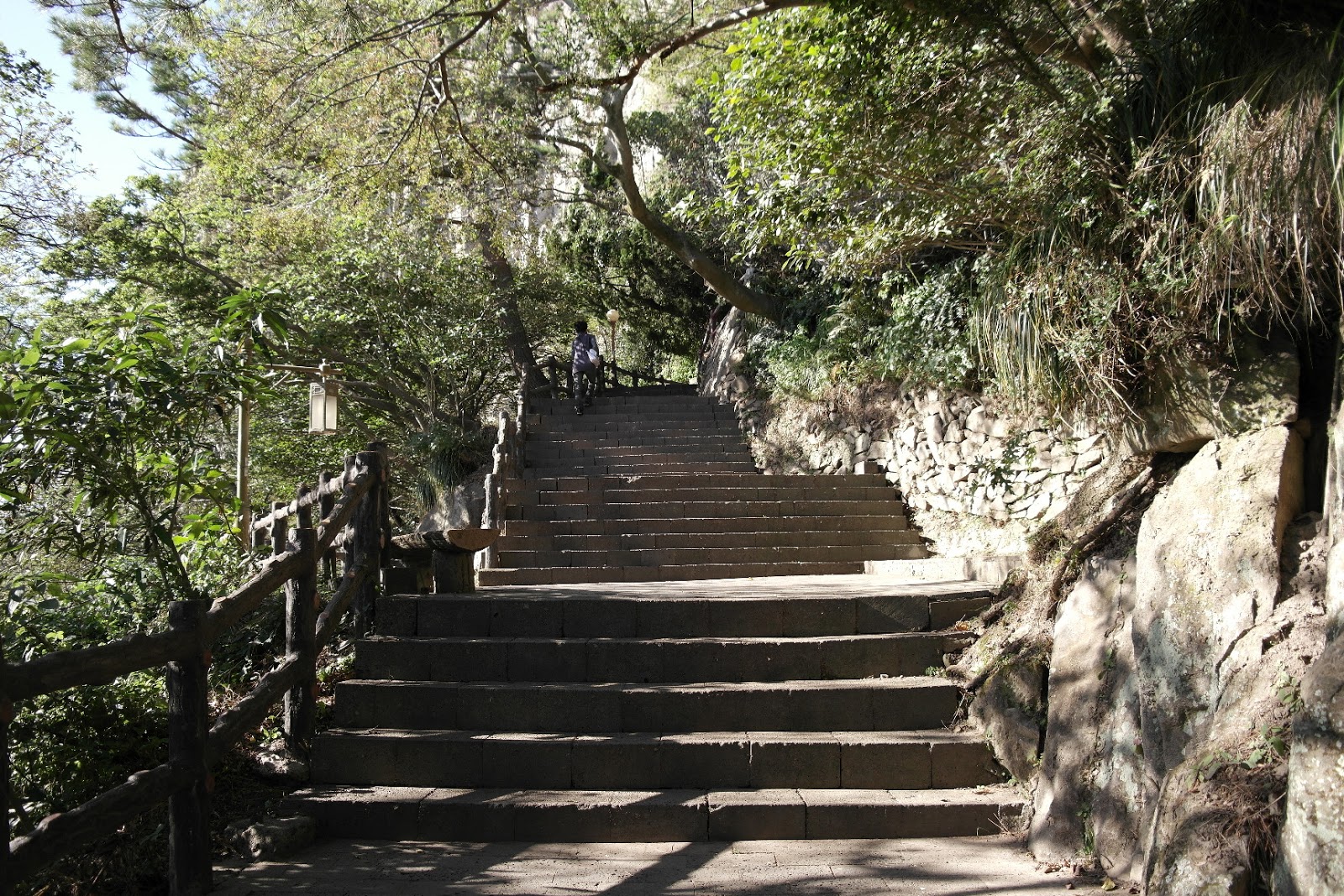
There are 482 stairs on the way to Sanbang gul-sa. I like the stairs to Sanbang gul-sa but I prefer the old ones. The old ones were rough and dull though. However, they made more visually appealing and even feeling of walking was better.


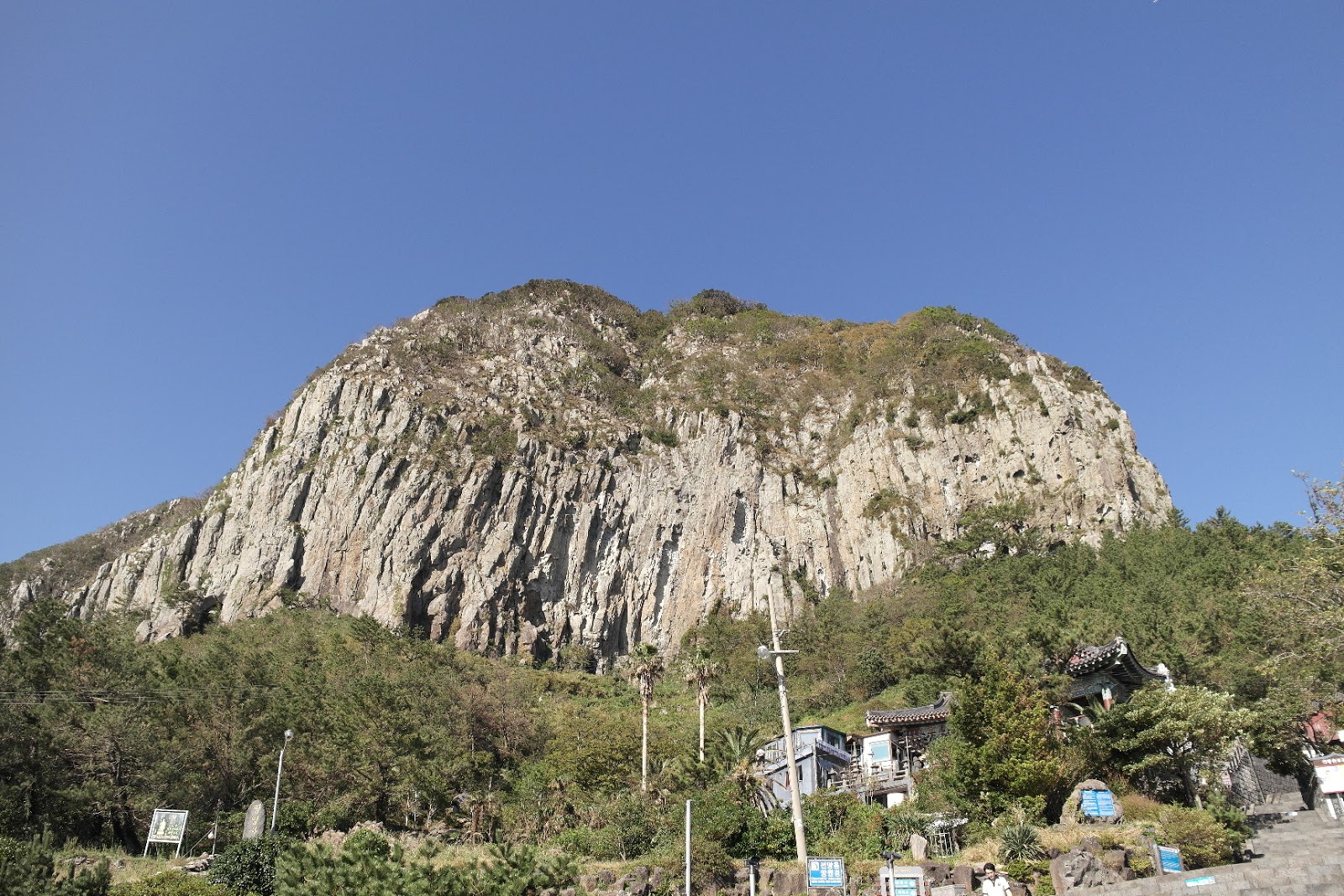
Sanbang Mt is one of 3 great mountains in Jeju island. And rest two are Halla Mt, and Sungsan sun rise peak. 
There is some explanation about Sanbang Mt: 
Sanbang Mt is a large lava dome, rising 395m above sea level. It is a lava dome which results form the slow effusion of very sticky lava from a volcanic vent. The stickiness of the lava prevents it from flowing far from the vent and made it to solidify quickly and creating a dome-like shape. Sanbang Mt lava dome is composed of lava columns about 800,000 years ago.
When it was growing there was a local explosion and collapse of the dome. Sanbang Mt has a significant value because lava dome is very rare in Korea and it makes beautiful scenery in the southwestern part of jeju island.


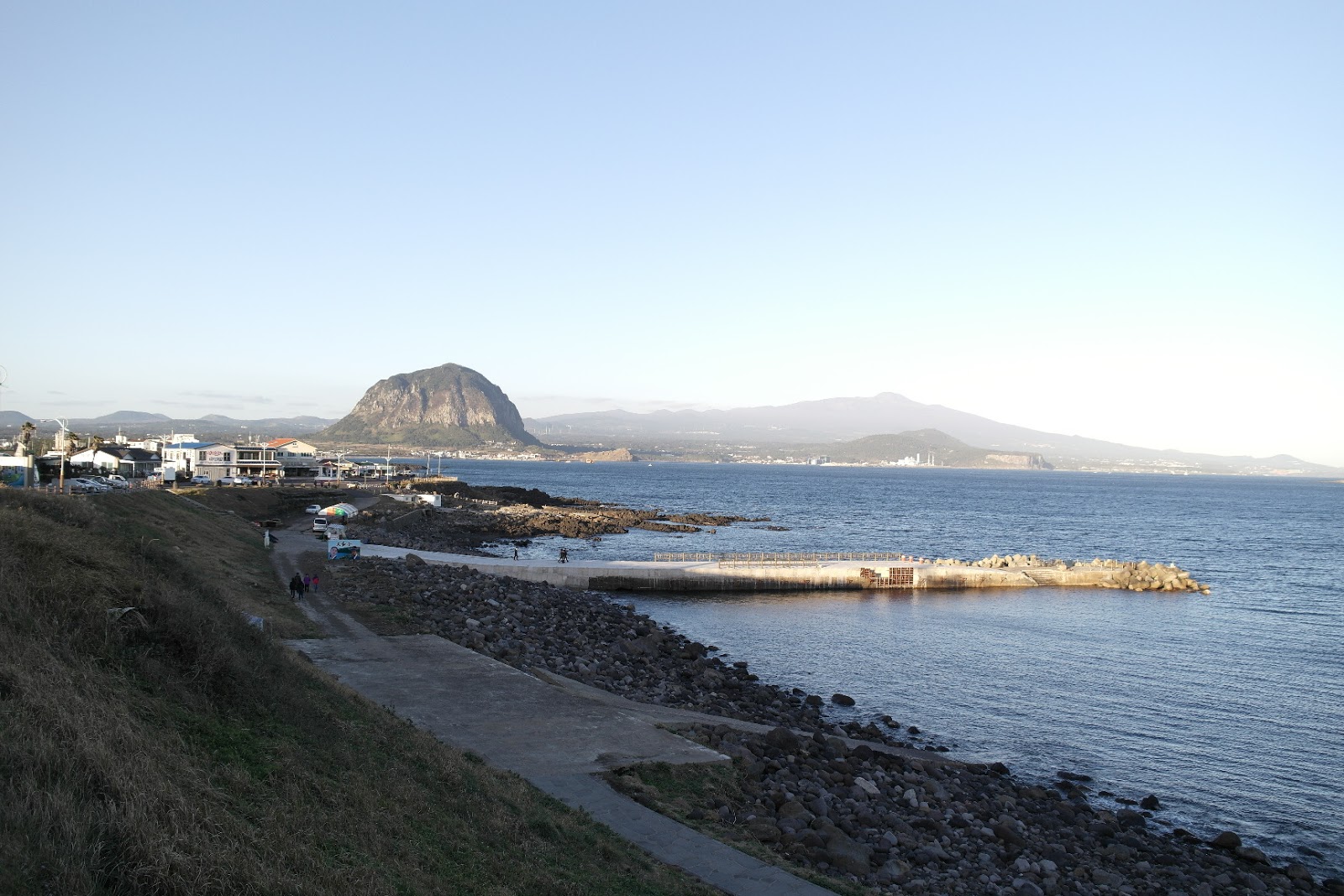
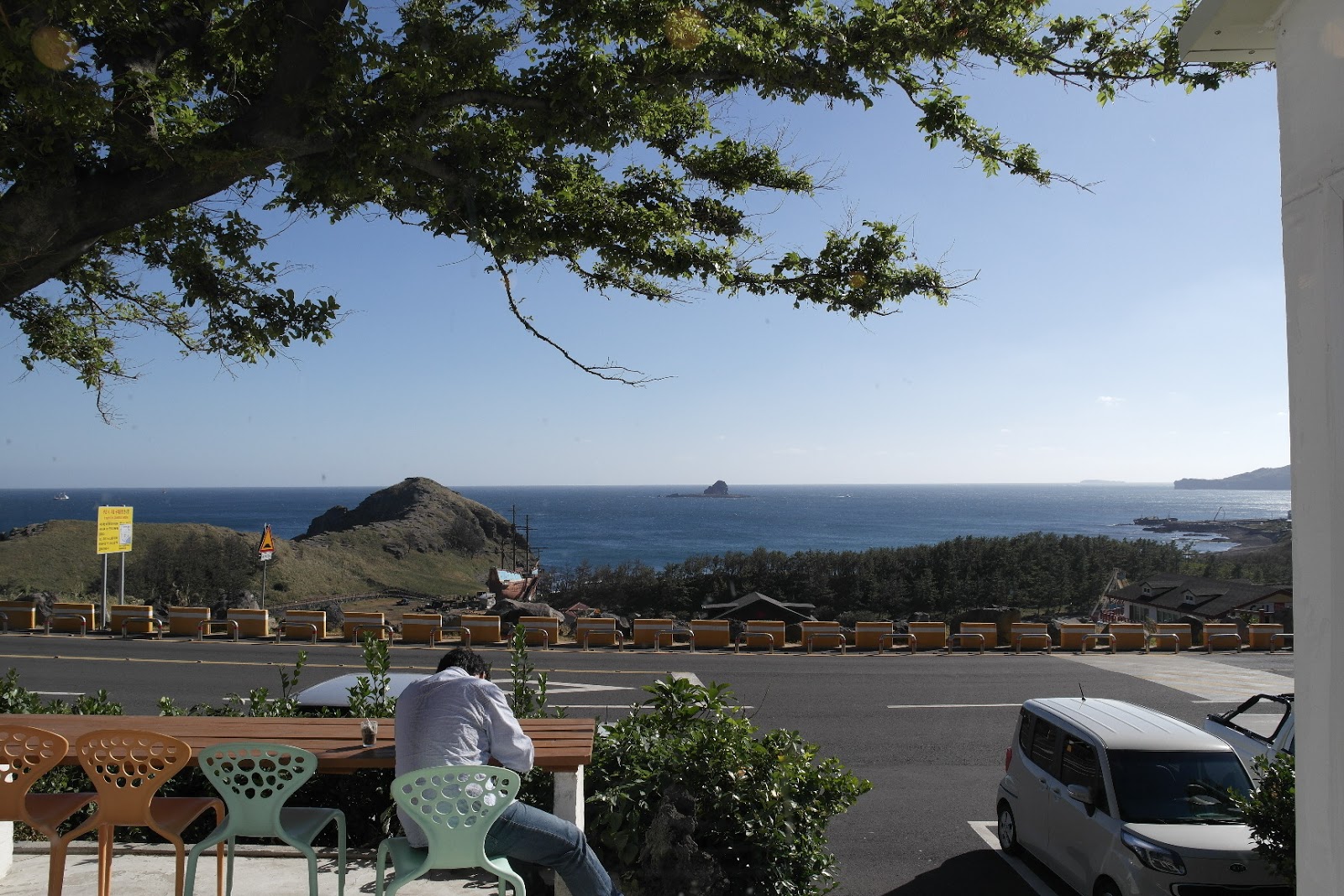
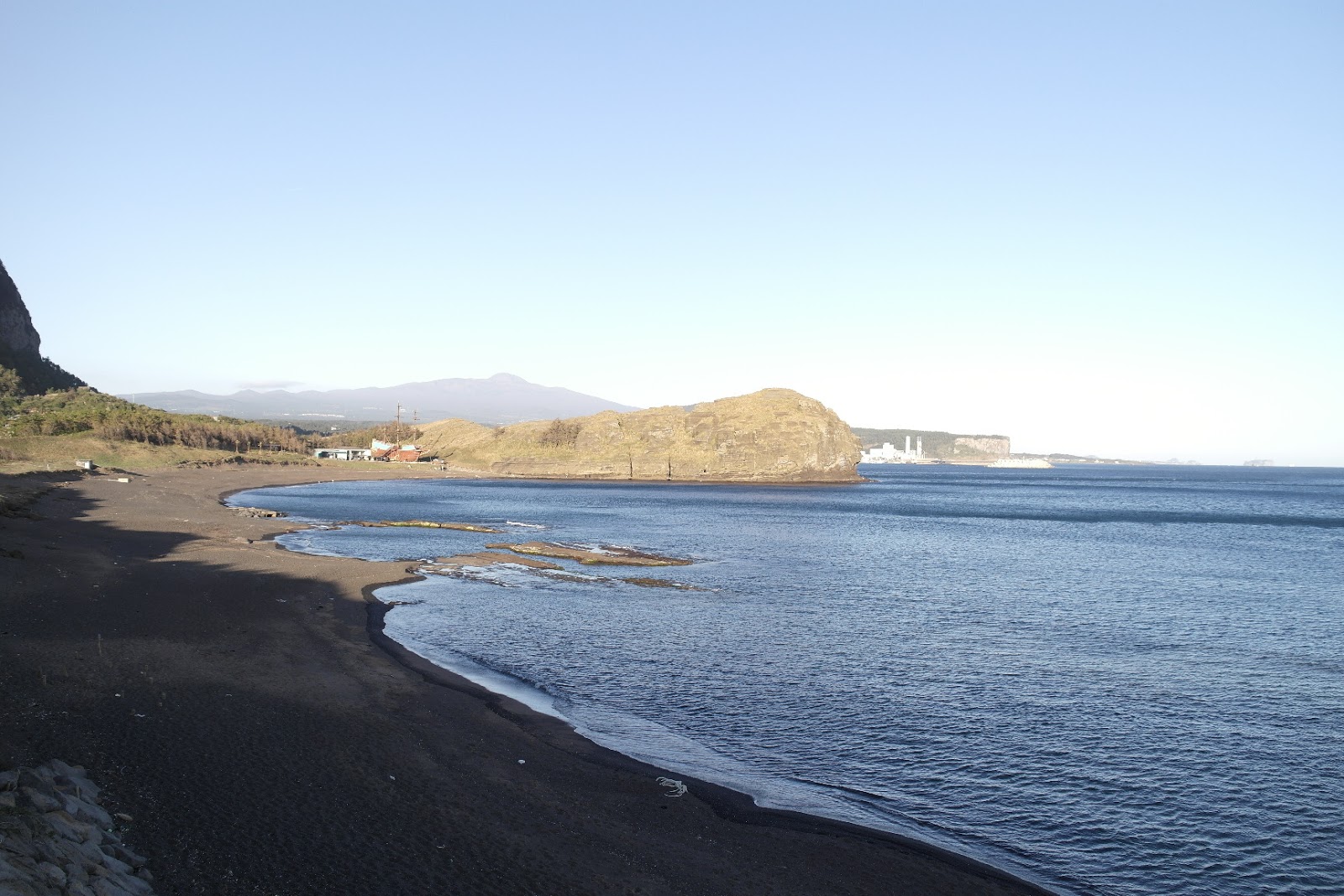
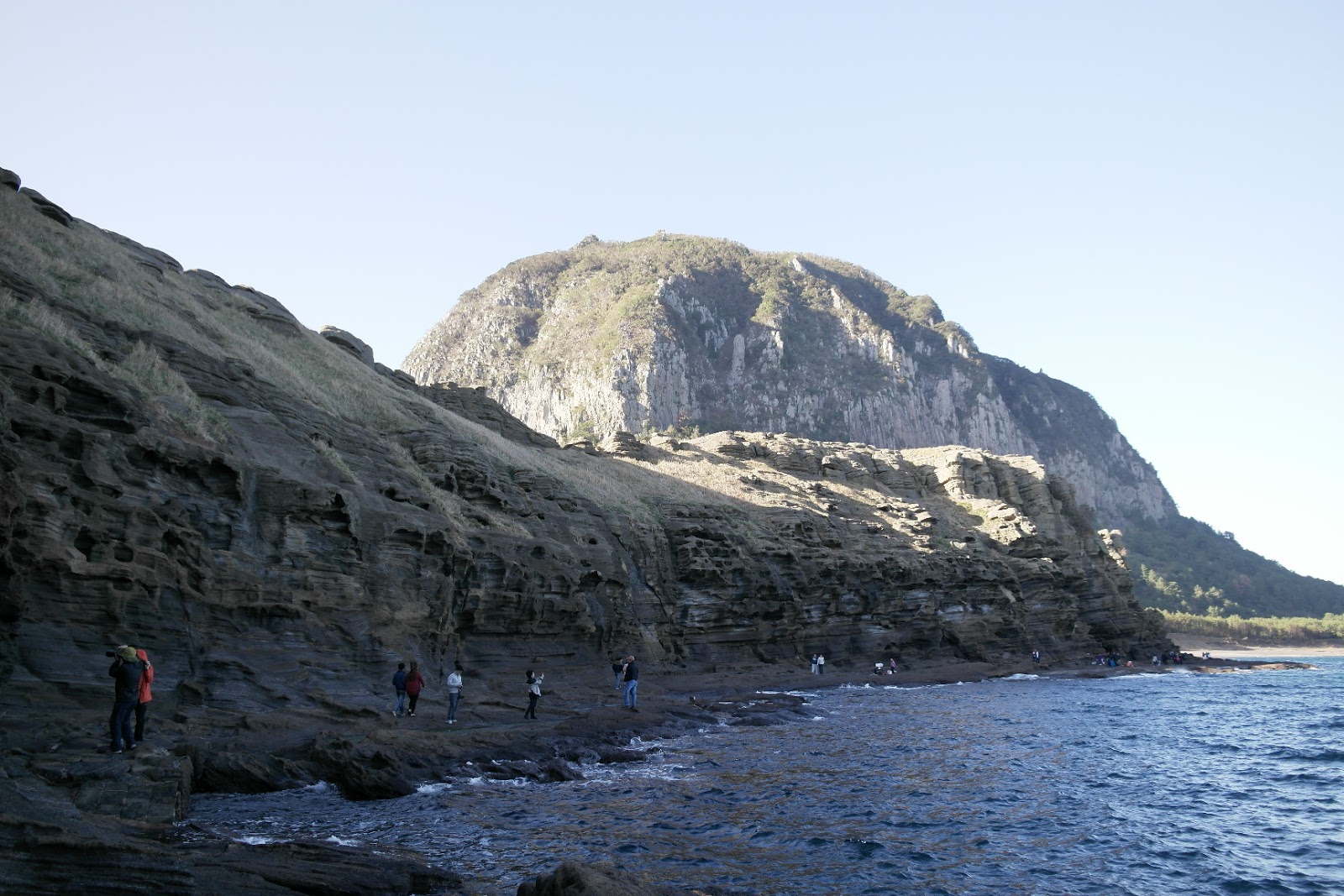
You can see Youngmeri(dragon head) coast and brother islets at the entrance of Sanbang Mt. 
Youngmeri(dragon head) coast is registered as geo-park by UNESCO.


The story of the name of Dragon head coast is named because it look like a dragon going into the ocean with head up. Actually It really looks like a dragon jumping into the ocean.
According to the legend a giant dragon was heading to the china and the chinese emperer worried about that. So he sent a general to here and cut the tail of dragon and it couldn't head to the china any more.


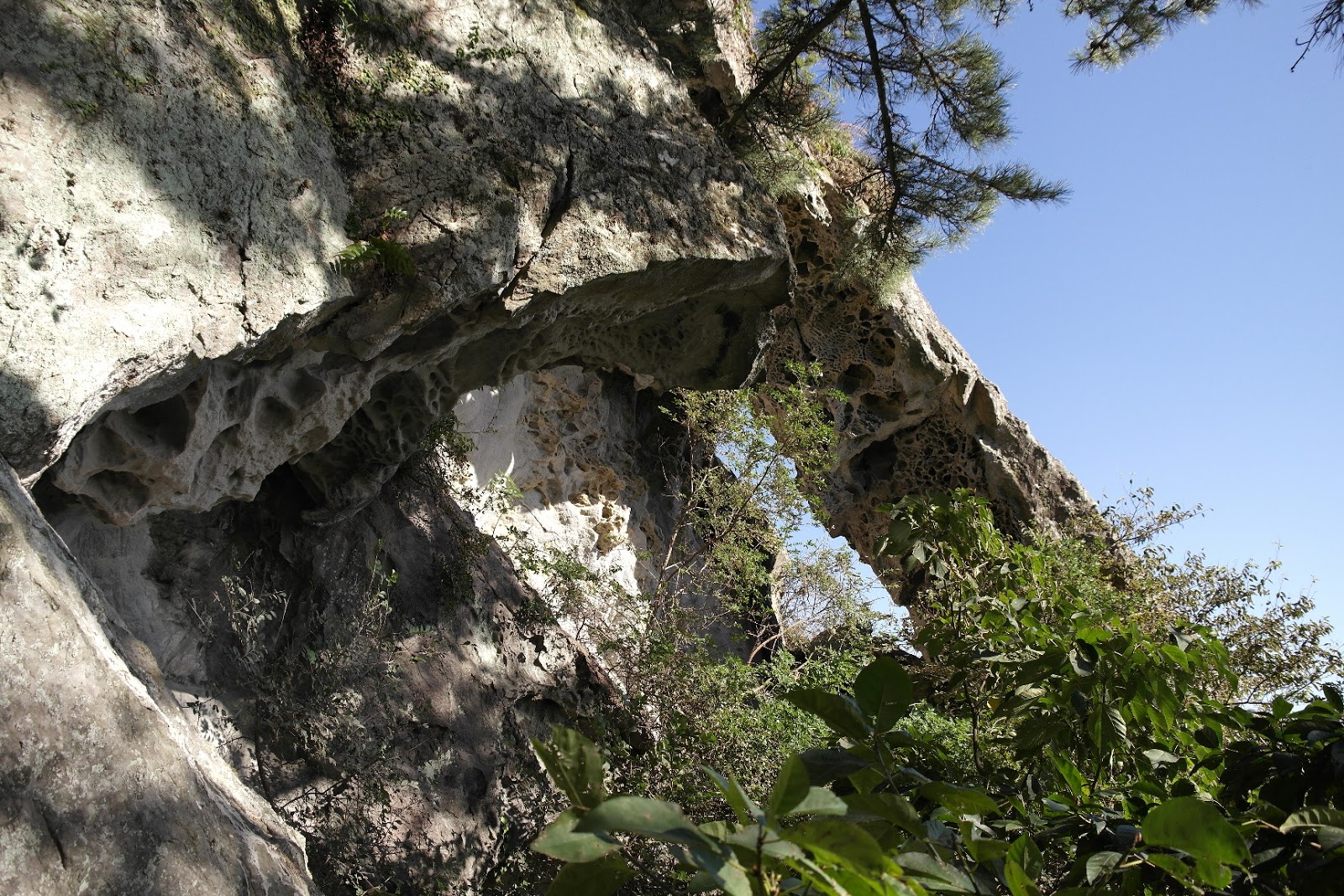
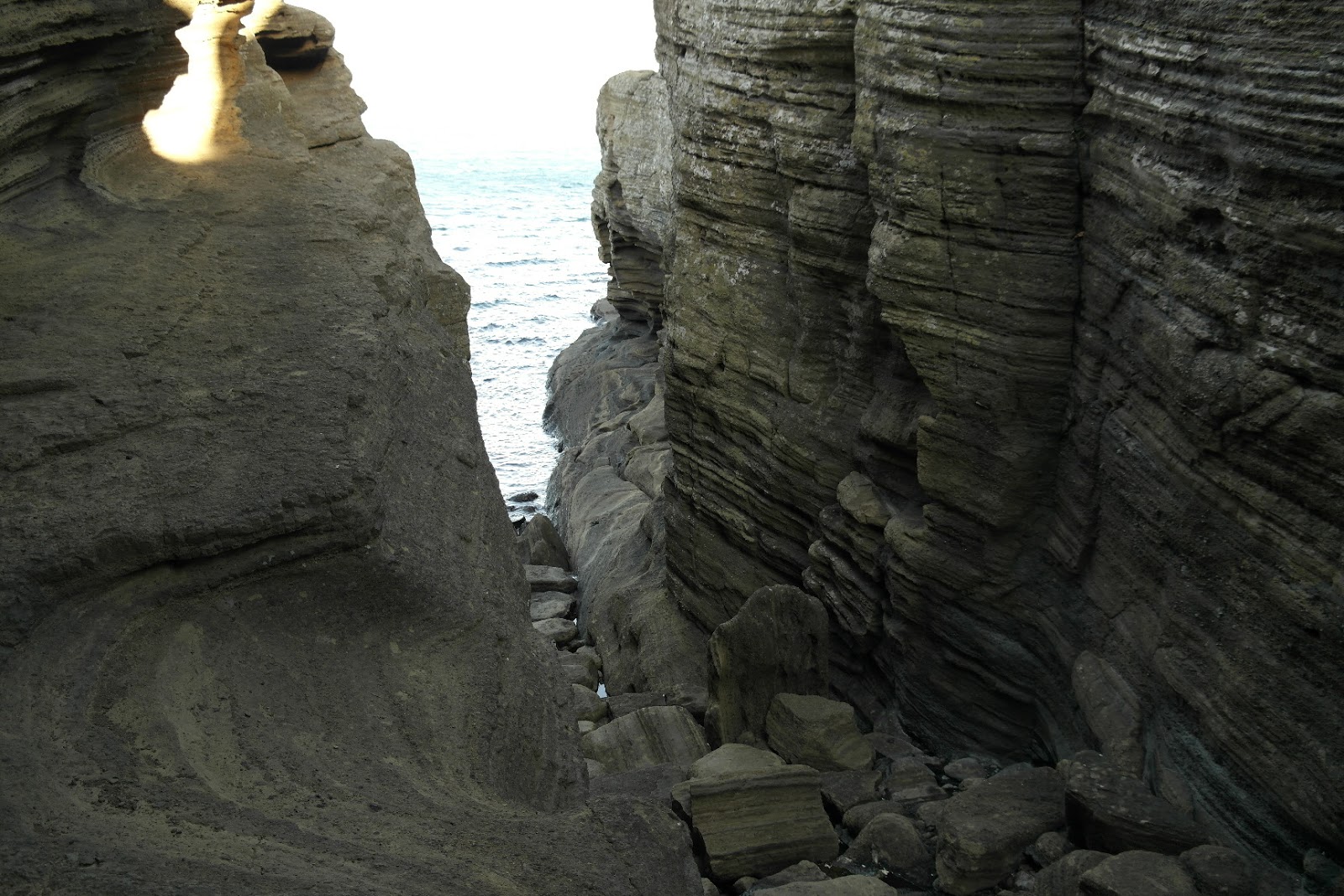
Right under the Sanbanggul-sa, there is Tafoni which is deep cavities or hollows produced by cavernous weathering in the sides(including the undersides) of rock outcrops and boulders. They usually occur in groups. Individual hollows range in depth and diameter from a few centimetres to several meters. "Honeycomb" weathering is a common description for this pattern of parallel rows of smaller pits. The origin of tafoni is not well understood. The consensus is that they result from weathering along joints, fractures, and other lines of weakness, particularly from exposure to water. The hollows are thought to be enlarged by progressive flaking of the interior surfaces and granular disintegration, probably as a result of crystallisation of salt carried to the rock by wind or waves.
They has been eroded a lot and after tens years they will be gone. 


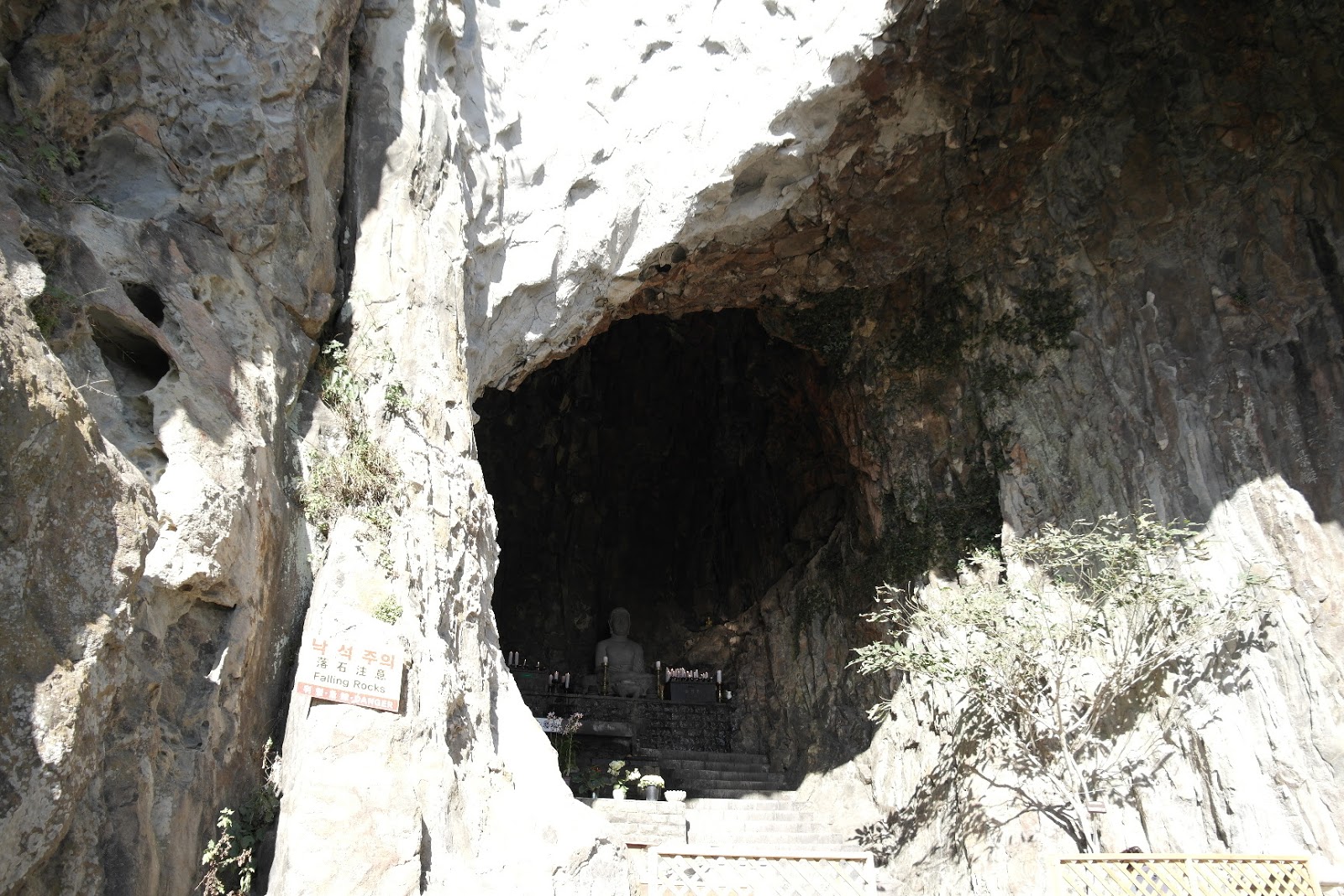
Sanbag gul-sa is located in a natural cave. I don't know if it is a kind of Tafoni or not. However, it's so amazing to have this kind of natural cave in the middle of the lava rock.

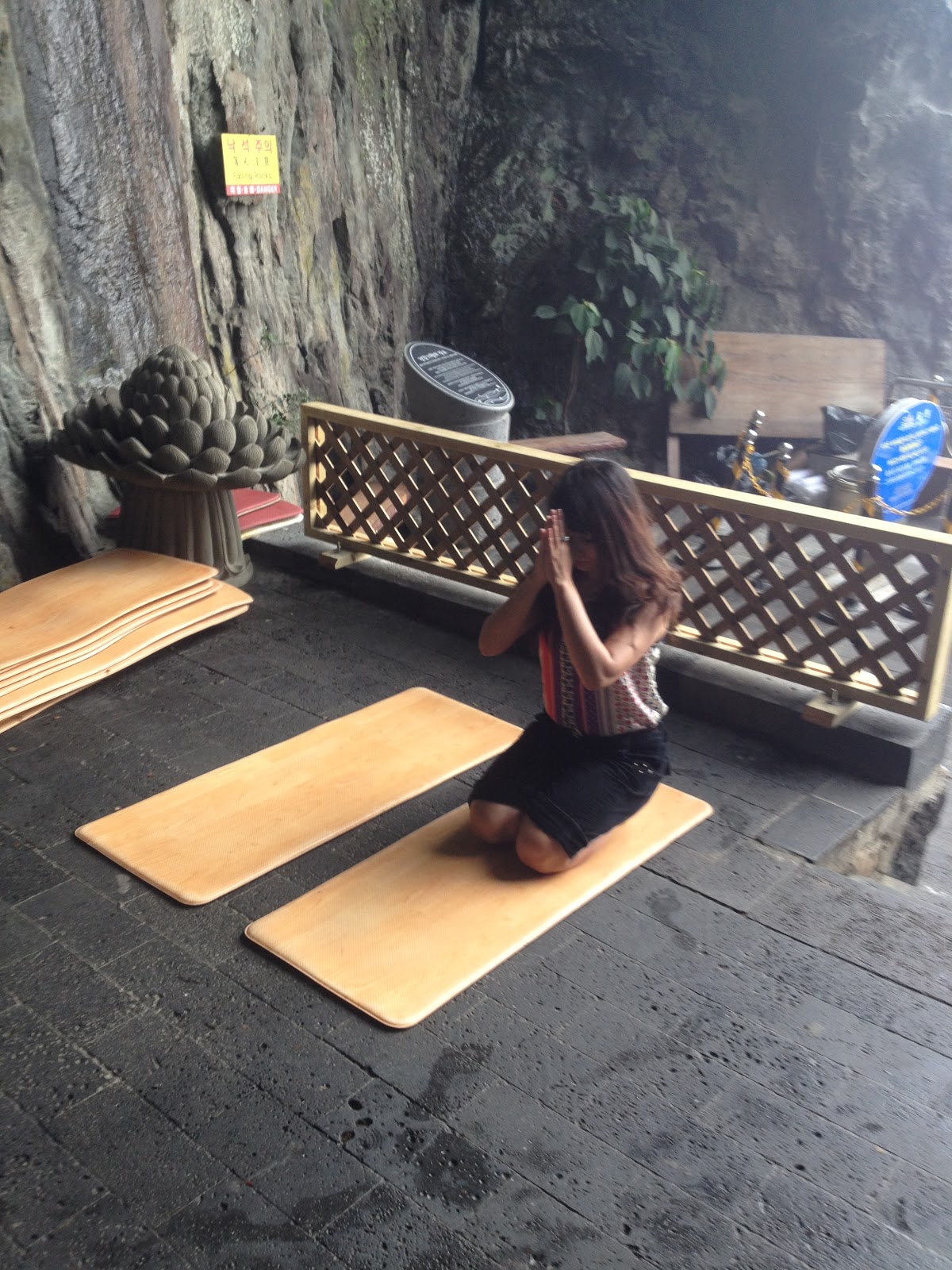
Around 800years ago a buddhist monk named 'Hae-il' practiced spiritual discipline in here and entered nirvana. And Sanbang gul-sa is the first buddhist monastery in Jeju island. If you look around this monastery you can see a tree which rooted in the tree. I am alwyas amazed by vitality of nature. When you look up the ceiling water is dropping. According the legend  a lady named Sanbagduk-i who couldn't made her love in her life is dripping her tear.
The tear became medicine water. They say if you drink the water you can live 10 more years longer. Why don't you drink the water when you visit 'Sanbang gul-sa'.  


     *Notice - This article is written by non navtive English speaker


I visited 'Youngmeri' earlier today. 'Yongmeri' means Dragon head.

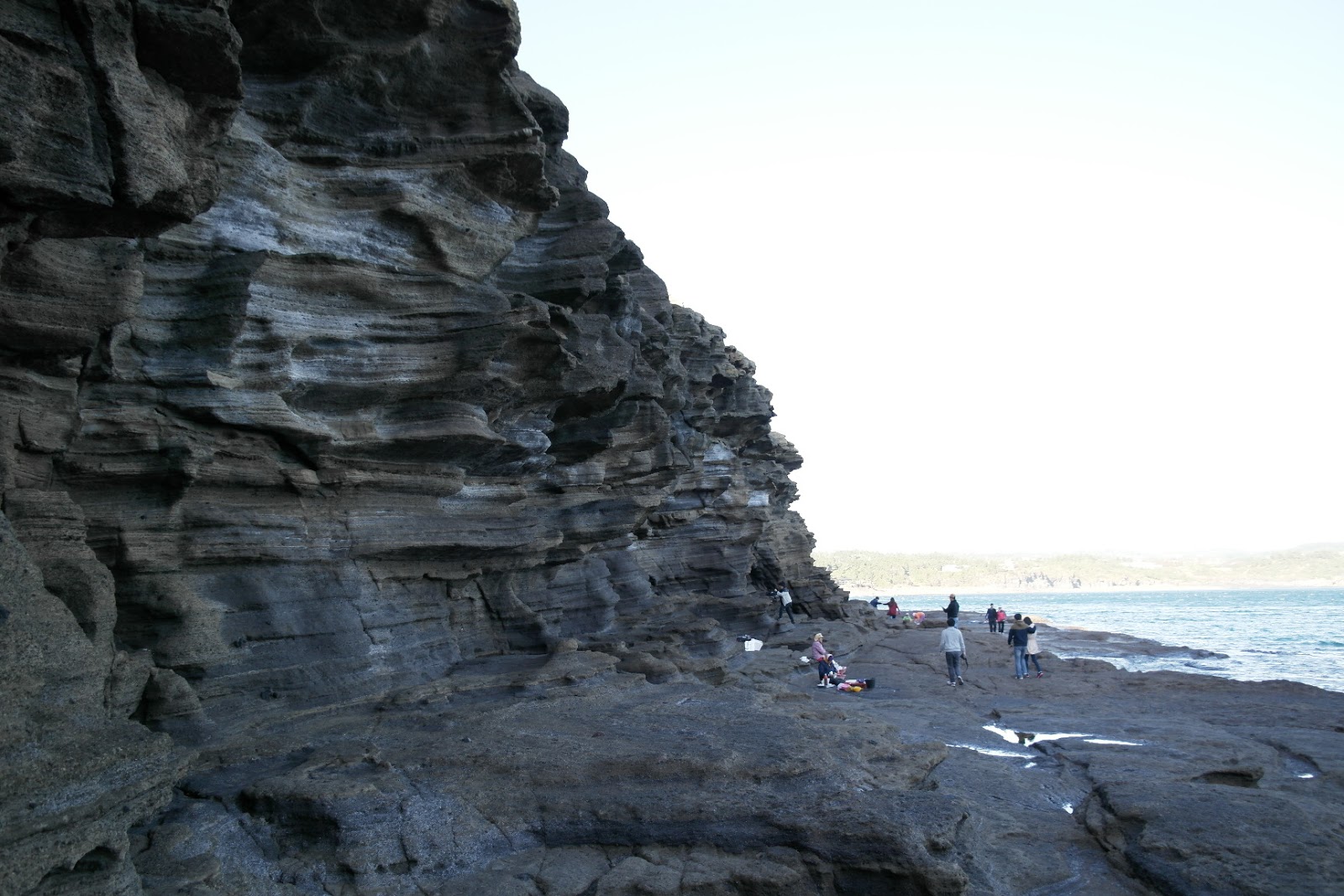
People named this volcanic tuff ring 'Dragon head' because it looks a real dragon is jumping into the water with head up. This tuff ring with a dragon head shape is one of the most famous tourists attractions in Jeju island. If you like Korean TV drama you've probably seen this magnificent natural sculpture on TV. Quite a few Korean TV dramas were filmed here.

There are two entrances to 'Yongmeri'. Either way is OK to go in but I recommend you to enter the south gate because from the south gate the scenery is approaching the climax.


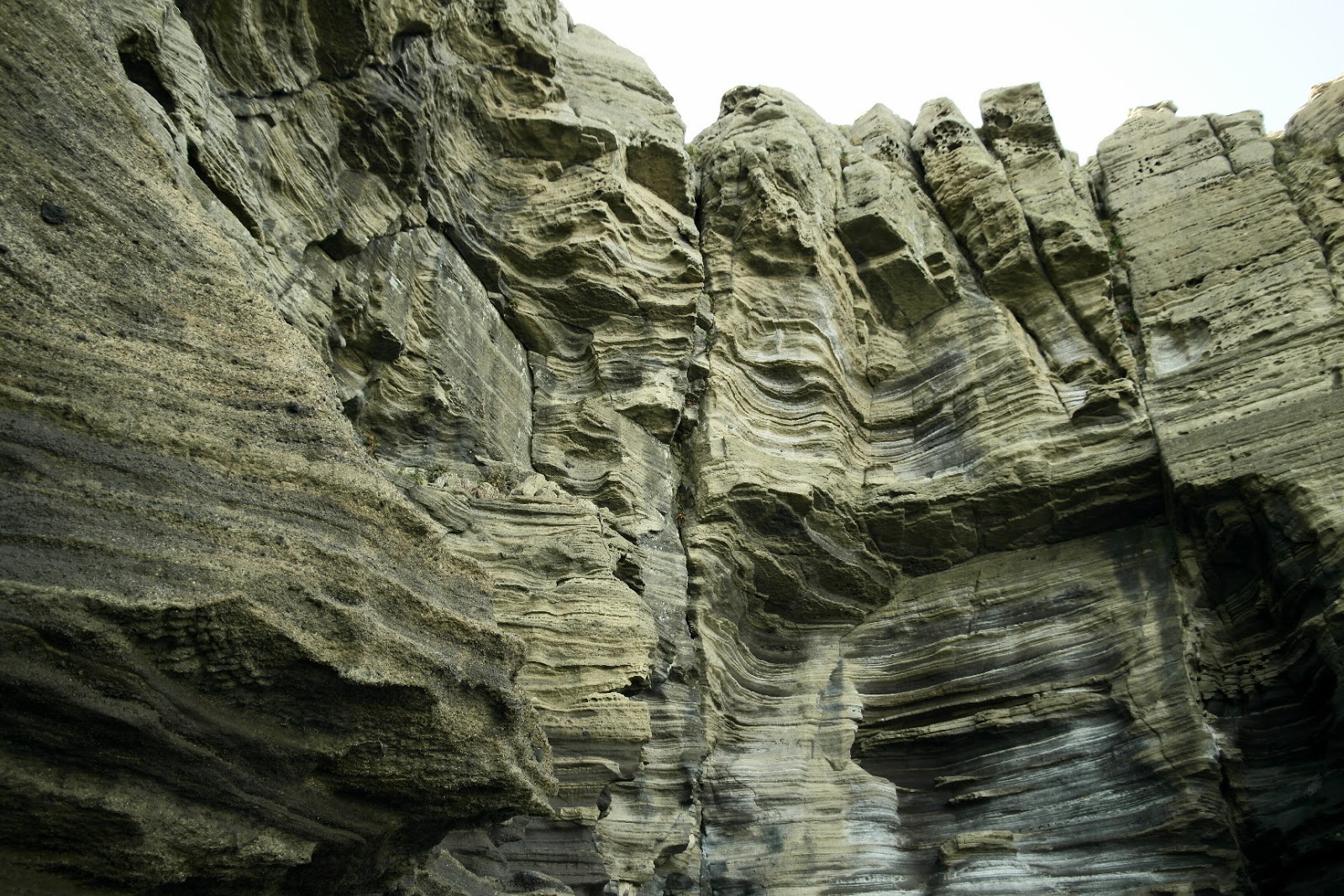
Yongmeri is the oldest volcanic crater in Jeju island. About one million years ago there were huge hydorvolcanic activities. Afterwards, wind-blown sand accumulated above the tuff ring over a long period of time. So it is a giant accumulation of lava debris.


You can see old haeneys(dive women) who sell see food on shore. The food is quite simple; sliced tuff shell, boiled octopus and some Soju(Korean distilled rice wine). And it's quite fun to have experience exotic food because food contains their culture ,life style even history.


When you go into it becomes more and more bigger and greater. The beauty of nature is just amazing.
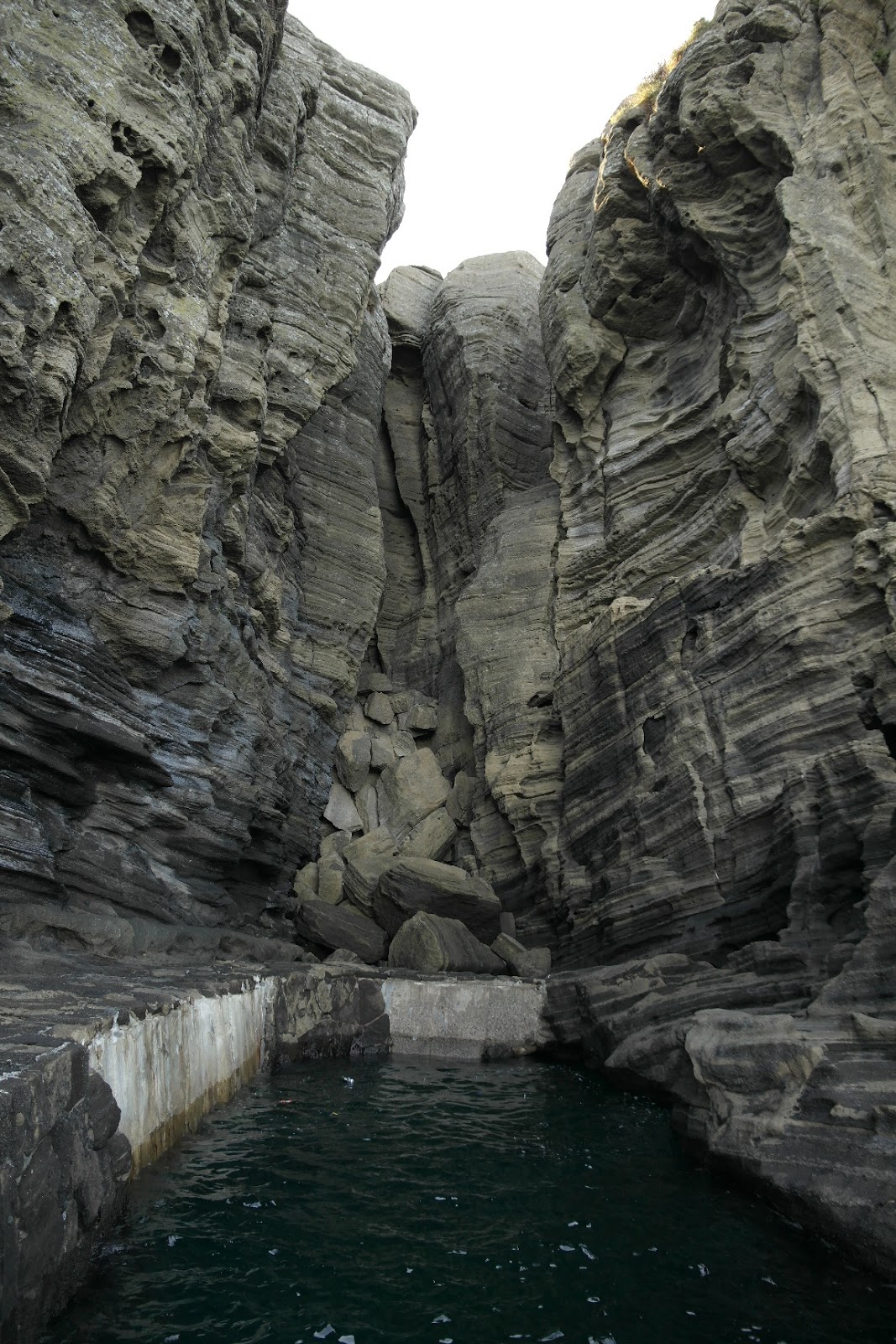
There are some man made bridges which connect each tuff rings. Even though they are man made they make this nature more visually appealing. The steepness and narrowness of the cliffs make it look falling down in any time.


The water is so clean. You might feel that you want to jump into the water.
Imagine how long has it taken to accumulate this much in the past and now they are been eroding. What is worse is that level of sea water is rising up due to global warming. When it is full tide this place is closed. So they normally open this place 3~4days a week.
By the reason of that many people who visit to Jeju island go back without seeing this beauty.


Which one is first between 'Sanbang san' or 'Yongmeri'?

'Sanbang san' was made 800,000years ago and 'Yongmeri was made 1 million years ago.
Geologists say 'Yongmeri' is the one of the first volcanic eruptions in jeju island.


This is another entrance or exit. I recommend you to use this path as exit. It might be little bit hard to climb up but it give you more beauty of Yongmeri if you use the other entrance.
Any way this part is the tail of Dragon. According to legend, one Chinese general cut the dragon's tail not to head to china. Nobody believes a legend. However, when some nature has its myth, it can be more interesting and lively.

* Notice - This article is written by non-navtive English speaker 

Today I want to introduce one of the most beautiful craters in Jeju island.
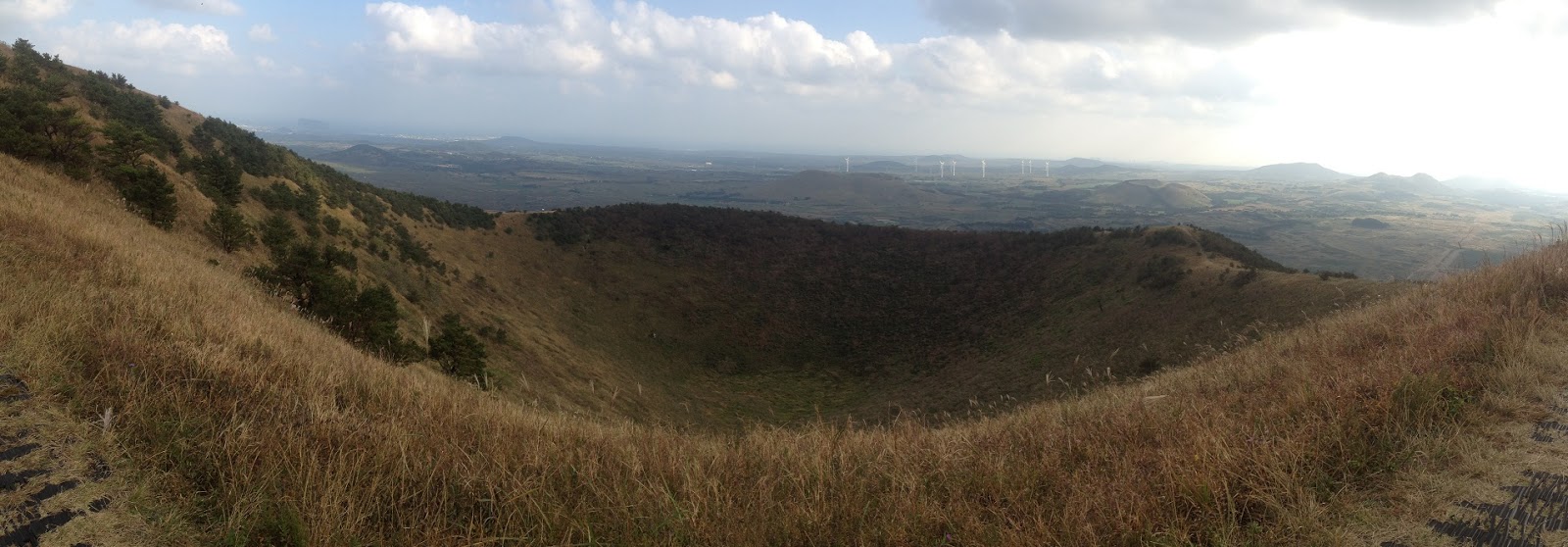
The name of the carter is 'Darangshi Crater' as known of the queen of crater in Jeju island.
It is located in eastern side(Gujwa) of Jeju island.
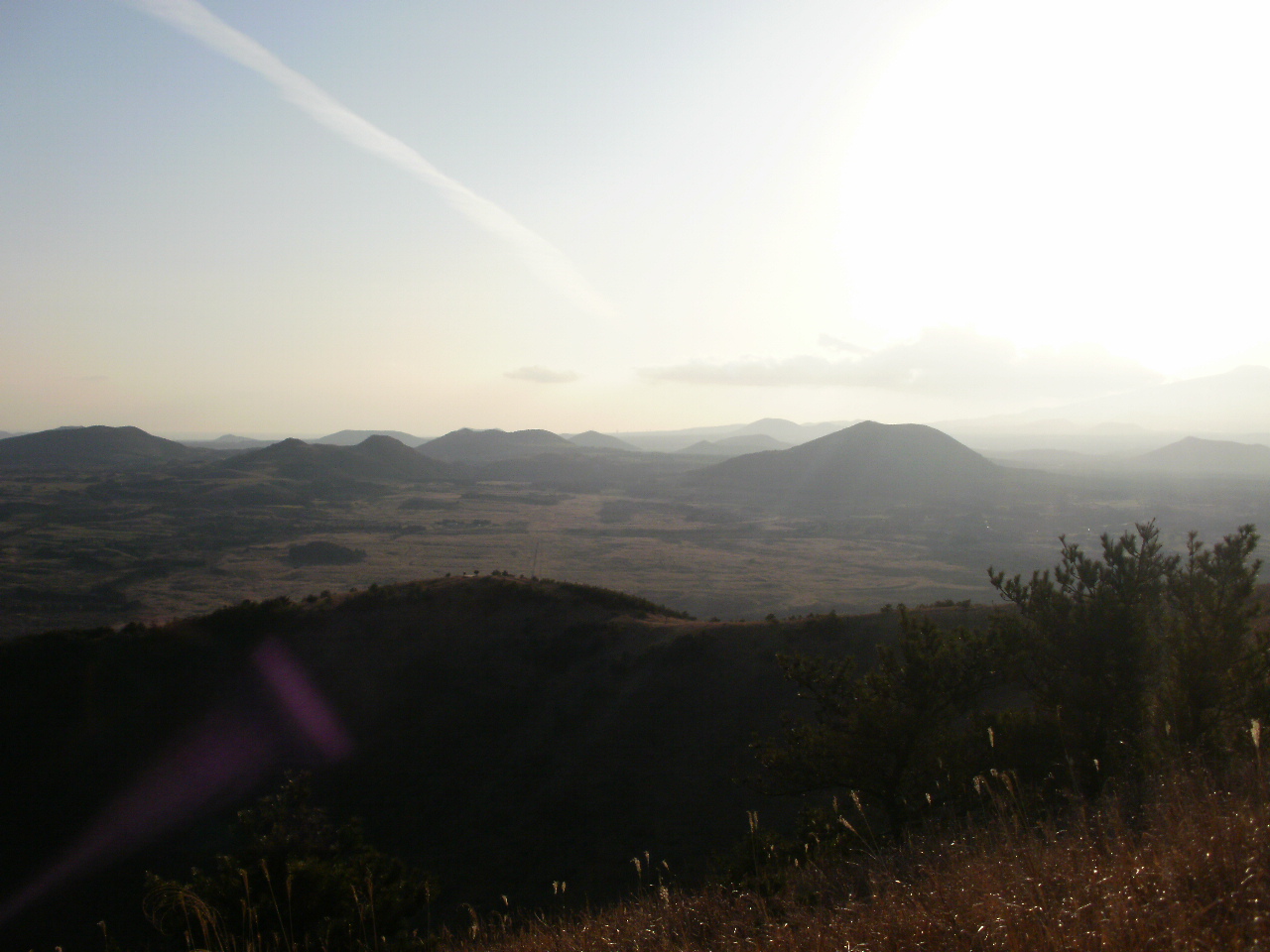
We have 386 craters around Jeju island and this island is known as a paradise of craters.
If some one ask me to introduce the most beautiful crater in Jeju island, I will say that 'Darangshi' is the best crater without any hesitation.


In jeju island we call the crater mound 'Oreum'.
About 1millon 2hundred years ago, volcano started erupting all around Jeju island like boiling bubbles in hot a porridge. Each cater has it won face. Some looks horse hoops or some looks bowl upside down. Actually we call the cater itself 'Gumburi' in Jeju dialect.
So Jeju locals call a mountain or mound as 'Oreum' and crater as 'Gumburi'.
Jeju people made use of 'Gumburi'(crater) for raising cattle because it prevent the wind and once cattle gathered inside 'Gumburi' , they don't want to leave the warm and cozy place.


After 10min climbing through the pine tree forest you will meet open space. First thing is 'little Darangshi'. it looks like a cute doughnut or gentle man's hat.
Even you can see the famous under water crater 'Sungsan ilchulbong'(Castle mountain sun rise peak) at a distance.


The highest of 'Darangshi Oreum' is 382m and the depth of the crater is 115m.
It take only 30min to get to the top but you have to pull your strength to climb a steep ridge.
And it never show the astonishing scene unless you get to the top.
The cater actually is hidden on the top.


This time I climbed 'Darangshi' with my customers from the U.S whose profession is a lawer.
Like every one does, they felt very hard to this steep hill at first. But once the got to the top, they really thanked to me to bring them there: it always travelling guide's pleasure to show beautiful places.
I just smiled and told them " Well...no pain, no gain". I think it's true. Most of nature contains its won beauty but it never show any people. It shows the beauty to the people who want to see them and it takes efforts.
Especially in jeju island you have to walk and climb all the time to see the true beauty. However, it is a kind of pleasure of travelling I think.


'Darangshi' has not only beauty but also it has a tragic story.
Korea didn't have proper government for 3years(1945~1948) after independence from Japanese colonisation.
There was a big confrontation between communists and capitalists in those times in South Korea.
Communism had been prevailed in poor communities in Jeju island as well.
And police and solders tried to put down the prevalence of communism and the method was cruel.
Lots of demonstrations occurred due to harsh putting down.
The police and soldiers put down not only demonstrators but also innocent people. Actually it was not putting down it was just killing people indiscriminately. It caused huge anger from the public. In a mean time about 30,000 innocent people were killed by the government.
The U.S just looked over the massacre. Before the massacre there were several villages around 'Darangshi' but none of the villages remained any more. Most of people live here were killed or moved to other villages. There is only memorial stone stands near the entrance and some graves on the mountain ridge.
Whenever I come to here, I try to imagine the village which once peaceful people used to live.Darangshi crater